

Income Protection Insurance provides a regular monthly payment if illness or injury prevents you from working, subject to policy terms, exclusions, and waiting periods. Payments are designed to replace a proportion of your income while you recover.

Losing your income due to illness or injury — even temporarily — can place pressure on your finances. Income Protection can provide a regular monthly payment to help manage the financial impact, depending on the cover chosen.
Policies can be adjusted based on your occupation, existing sick pay, and the level of income you wish to protect.
The length of time Income Protection pays out depends on the policy term and the benefit period you choose. Some policies pay until you return to work, while others may continue until a specified age, such as retirement, subject to policy terms.
An adviser can explain the different options available and help you decide what may be suitable based on your circumstances and budget.
Income Protection policies do not replace your full income. Payments are usually a percentage of your earnings and are subject to policy terms, exclusions, waiting periods, and medical underwriting.
Income Protection is useful for anyone who relies on their income to pay day-to-day living expenses. You may want to consider it if any of the following apply:
If your employer offers limited sick pay — or if you’re self-employed — Income Protection may help provide financial support during periods when you’re unable to work.
Ongoing commitments such as rent, mortgage payments, or childcare costs don’t stop if you’re unable to work. Income Protection may help contribute towards these expenses.
Recovery from illness or injury can take time. A regular monthly payment may help provide financial support during a longer recovery period.
If others rely on your income, Income Protection may help provide additional financial support while you’re unable to work.
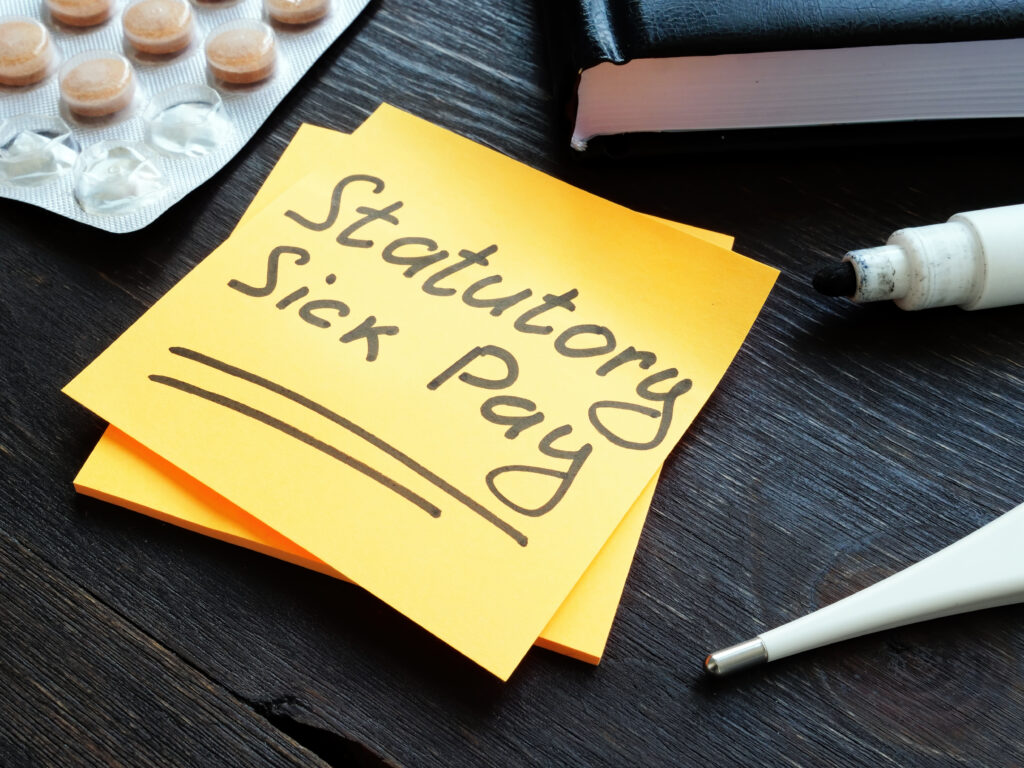
Income Protection provides a regular monthly payment if you’re unable to work due to illness or injury, subject to policy terms, and is designed to help contribute towards essential living costs.
Depending on your policy, payments may continue until you return to work, a set benefit period ends, or you reach a specified age, such as retirement, subject to the policy terms.
Income Protection can pay out if illness or injury prevents you from performing your occupation, subject to policy definitions, exclusions, and medical underwriting, rather than being limited to a fixed list of conditions.
No. Critical Illness pays a lump sum for a listed serious condition; Income Protection pays regular monthly income for any condition that stops you working.
Typically between 50% and 70% of your pre-tax income, depending on the insurer, your occupation, and policy terms.
Possibly. If your employer’s sick pay is limited, Income Protection may help provide financial support once sick pay ends, depending on the cover chosen.
Some policies cover conditions such as stress, anxiety, and depression, subject to policy definitions, exclusions, and medical underwriting. Cover varies by insurer.
After your chosen deferred period — typically 4, 8, 13, or 26 weeks — as set out in your policy.
Yes. As self-employed workers often have limited or no sick pay, Income Protection may help provide financial support if you’re unable to work due to illness or injury.
Premiums depend on factors such as age, health, occupation, the level of cover, and the chosen deferred period. Many people find Income Protection more affordable than expected, but costs vary by individual circumstances.