

Critical illness cover provides a lump-sum payment if you are diagnosed with a specified serious illness during the policy term, subject to the policy definition and terms.

We’ll send you important industry news and information to keep you in the loop with what’s happening in the mortgage industry.

A serious illness can have a significant financial impact. While NHS care covers medical treatment, you may still face reduced income or additional costs while recovering. Critical illness cover can provide a lump sum to help manage the financial impact, depending on the policy terms.
Choosing between Critical Illness Cover and Income Protection depends on the type of financial support you want if your health prevents you from working. Here’s how they differ:
Critical Illness Cover
Income Protection
Your adviser can explain how these options work and help you decide which type of cover — or combination — may be suitable for your circumstances.
Critical Illness Cover provides a financial safety net if you’re diagnosed with a serious medical condition. While no one expects to face a major illness, there are common situations where having cover in place can make a meaningful difference to your financial stability and peace of mind..
May provide a lump sum if you’re diagnosed with a condition listed in your policy, which could help manage larger financial commitments.
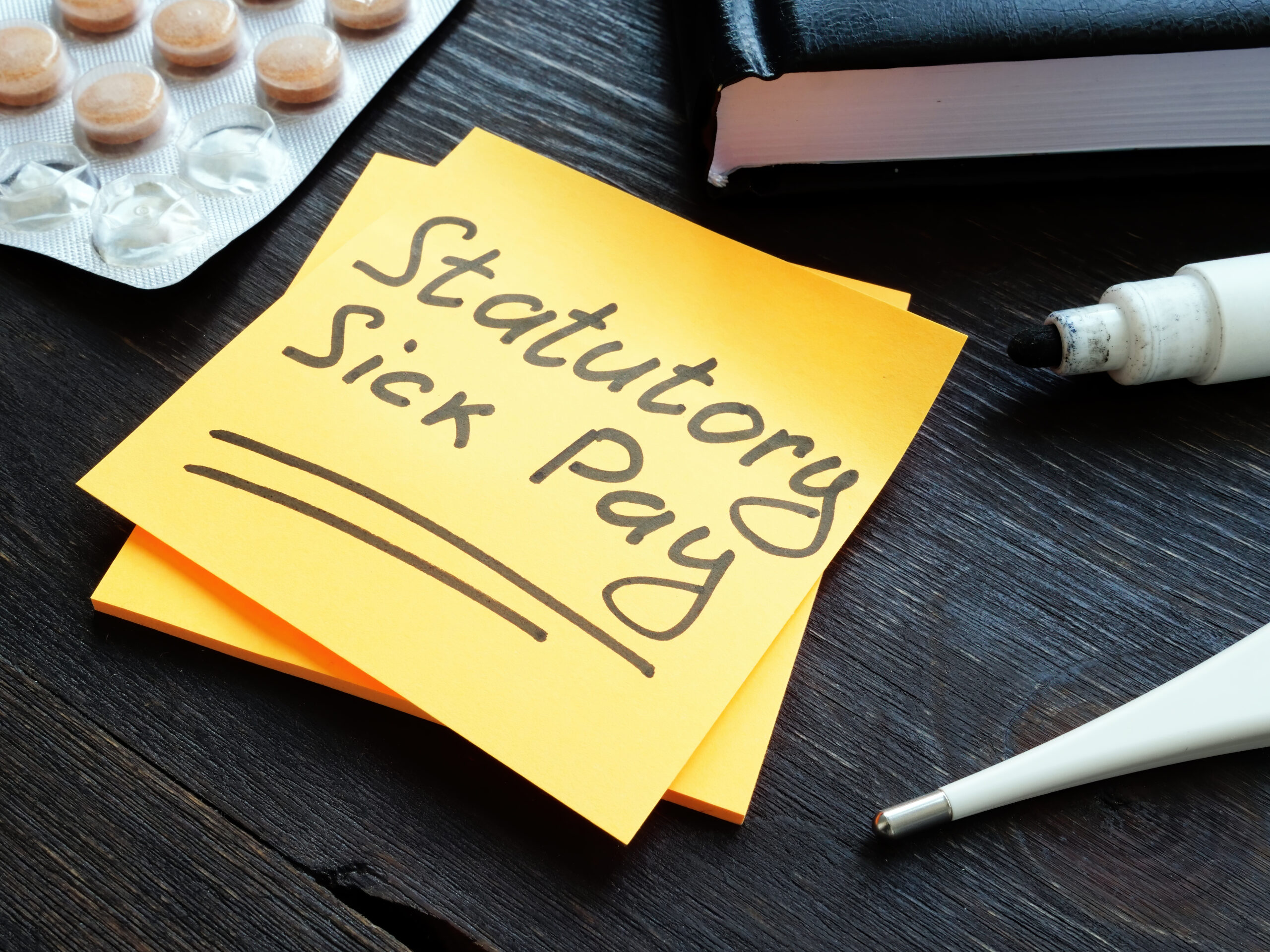
If you have limited or no sick pay, a lump-sum payment may help ease financial pressure while you’re unable to work
Serious illness can lead to additional expenses, such as rehabilitation or home adaptations. A payout may help cover some of these costs.
If illness results in ongoing changes to your lifestyle or income, a lump sum may help support financial planning during this period.

Remortgage your existing buy to let a better deal.

Remortgage your existing buy to let a better deal.

Remortgage your existing buy to let a better deal.

Remortgage your existing buy to let a better deal.
Critical Illness Cover is an insurance policy that may pay a tax-free lump sum if you’re diagnosed with a serious medical condition listed in your policy, such as cancer, heart attack, or stroke, subject to the policy terms and definitions.
Policies typically cover a defined list of conditions — often including cancer, heart attack, stroke, MS, and major organ failure. Cover and definitions vary by insurer, so it’s important to check what’s included.
Critical Illness pays a one-off lump sum upon diagnosis of a covered illness.
Income Protection pays monthly income if illness or injury prevents you from working — regardless of the specific diagnosis.
No. Claims are based on the diagnosis and severity of the illness, not whether you’re able to continue working.
You can choose an amount that may help repay your mortgage, cover ongoing bills, or provide additional financial support during recovery, based on your budget. An adviser can help you assess an appropriate level of cover for your circumstances.
Premiums depend on your age, health, lifestyle, medical history, the level of cover you choose, and the insurer. Younger applicants generally pay less.
Potentially — although some conditions may be excluded, or premiums may be higher. Insurers assess applications based on medical history. An adviser can help you understand how different insurers may approach your circumstances before you apply.
Standard policies pay a single lump sum. However, some insurers offer multiple-claim policies or additional child cover, depending on the product.
Some policies allow you to add children’s cover for an additional cost, subject to the insurer’s terms.
Critical Illness payouts are generally tax-free and can usually be used at your discretion, such as towards medical costs, mortgage payments, or family expenses, subject to policy terms and current tax rules.