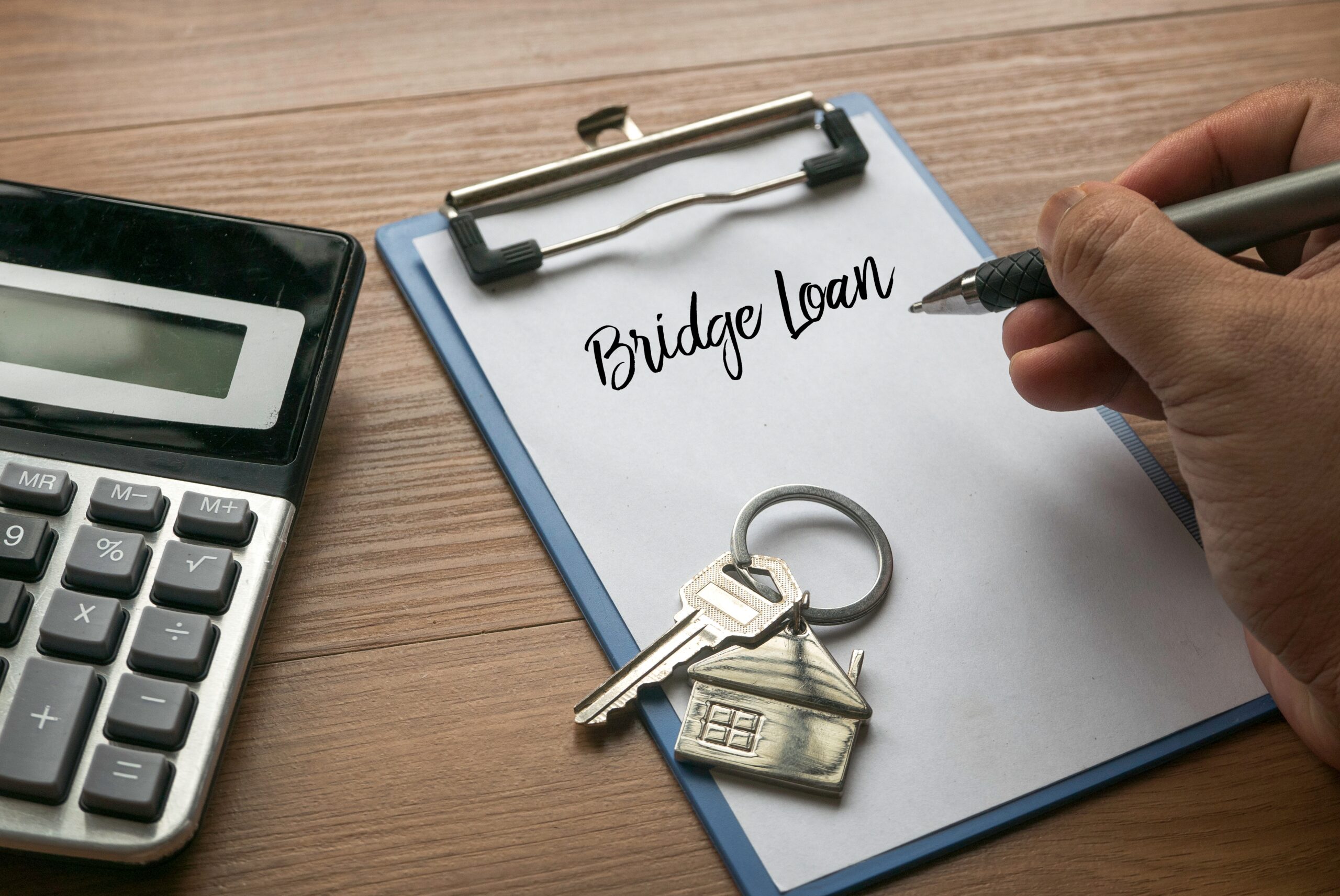
Bridging finance is a short-term borrowing solution that may help in certain time-sensitive situations. Our advisers can explain how bridging loans work, the risks and costs involved, and whether this type of finance may be suitable for your circumstances.
Bridging can offer flexibility in certain situations, but they usually come with higher interest rates and fees than standard mortgages.
You might consider bridging finance if you need to:
Buy before you sell – where funds are required before an existing property sale completes.
Purchase at auction – meet tight completion deadlines with confidence.
Fund renovations or conversions – where a property may not yet be suitable for a standard mortgage.
Raise short-term capital – for business, investment, or cashflow purposes.
We’ll help you compare available options, explain the total cost of borrowing, and assess your exit strategy, so you understand whether bridging finance is appropriate for your situation.
First time buyer mortgage guides
We have a vast number of Guides for “First Time Buyers in the guides section of our website.
Whether you’re considering buying before selling, purchasing at auction, or raising short-term capital for a renovation, start by sharing what you’re looking to achieve.
We’ll take time to understand your objectives, timescales, and proposed exit strategy so we can assess whether bridging finance may be suitable for your circumstances.
Expert bridging advice
You’ll speak with an experienced adviser who specialises in short-term and bridging finance.
They’ll explain how bridging works, outline available options, and discuss key considerations such as costs, lender criteria, and exit strategies — helping you make an informed decision.
Support throughout the process
We’ll support you through the application process by liaising with lenders, solicitors, and valuers where required.
We’ll keep you informed at each stage and help manage the process as efficiently as possible, while recognising that timescales and outcomes depend on lender decisions and third parties.
We’ll send you important industry news and information to keep you in the loop with what’s happening in the mortgage industry.
Types of Bridging Loan
Explore the main types of bridging finance and find the one that fits your next property move, investment, or development project.
Residential Bridging Loan
A residential bridging loan can provide short-term funding where a property transaction needs to complete before longer-term finance or a sale is finalised.
These loans are commonly used when purchasing a new property before selling an existing one, subject to lender criteria and exit strategy.
✅ Often used where timing between sale and purchase does not align.
Chain Break Bridging Loan
A chain break bridging loan may be used when a property sale is delayed or falls through, allowing a purchase to proceed while a longer-term solution is arranged.
This type of finance is typically considered where chain uncertainty creates timing issues.
✅ Can be considered where a delayed sale affects onward purchase plans.
Auction Bridging Loan
Auction bridging finance is commonly used to help meet tight completion deadlines following a successful property auction purchase.
Timescales depend on lender requirements, valuation, and legal work.
✅ Often considered where short auction completion periods apply.
Refurbishment Bridging Loan
A refurbishment bridging loan may be used to fund property improvements where the property is not currently suitable for standard mortgage lending.
This type of finance is often considered where works are required prior to sale or refinance, subject to lender criteria and exit planning.
✅ Commonly used for property improvement or conversion projects.
Regulated vs. Unregulated Bridging
Regulated bridging loans apply where the property will be occupied by you or an immediate family member.
Unregulated bridging loans are typically used for investment, commercial, or development purposes.
✅ Clear guidance provided on regulatory classification.
Open vs. Closed Bridging Loan
A closed bridging loan has a fixed and identifiable repayment date, often linked to a confirmed sale.
An open bridging loan does not have a fixed repayment date, though a clear exit strategy is still required by lenders.
✅ Closed loans have defined repayment plans; open loans allow for less certain timelines.
How Bridging Loans Work
Loans are typically based on a percentage of the property’s value, often up to 75% loan-to-value, with higher amounts sometimes available where additional security is provided. Loan sizes can range from £25,000 to several million, depending on the lender and circumstances.
Lenders focus on:
The property value and any extra security
Your exit plan — how you’ll repay (sale or refinance)
Your experience, if it’s a development or refurb project
Terms are commonly 6–18 months, with interest paid monthly or rolled up and repaid at the end of the term.
Bridging finance can suit specific situations, but costs and repayment terms should be carefully considered before proceeding.
Not sure what you need? Speak to a mortgage expert.
“Ashley worked so hard and continuously had my best interests at heart. Excellent advice throughout.
It was a long hard battle to sort the purchase through no fault of hers or mine. She took complete ownership and without her it never would have succeeded.
Cannot recommend her highly enough.”
Richard B
“Working with Mortgage Confident has been one of the best decisions I've made, the broker involved went the extra distance by securing a bridging loan to avoid losing the onward purchase when my house sell fell through.
I wouldn't go anywhere else for my mortgage advice."
Margaret D
“Maire from Mortgage Confident has helped us so much from day one to completion.
She helped us with everything from mortgage, house insurance to life insurance. Keeping us well informed as to every step. She even managed to get us a better rate twice throughout the process and ensured we were happy and understanding. 100% will use Maire when it comes to our term being up.”
Lyndsie C
“We’ve used Maire for both our personal and business mortgages and we cannot rate her highly enough. We’ve felt very supported through each application and she’s been able to answer any questions we had with great expertise. Maire has ensured we got the best deals and at a time when interest rates are rocketing we just can’t thank her enough. We would highly recommend this company..”
Brooke R
“I first met Pete when I was struggling to get a mortgage he then put me in the hands of Ashley and I’m glad he did. She was amazing Ashley not only managed to get me a mortgage when no one else could but one with a good deal. Ashley was always on the other end of the phone whenever I needed advice or help on the process and took the stress out of the whole process, even after securing the AIP she continued to help as much as she could with chasing up things that needed doing. Ashley is amazing and I would not recommend anyone else.”
Leon C
Customer experiences are individual and do not guarantee similar outcomes. Results depend on your circumstances and lender decisions.
Common Bridging Loan FAQs
What is a bridging loan?
A bridging loan is a short-term loan secured against property or land. It’s commonly used to cover temporary funding gaps, such as buying before selling, completing an auction purchase, or funding refurbishment works.
How long does a bridging loan last?
Most bridging loans run for 6 to 18 months, though the exact term depends on the lender and your planned exit strategy.
How quickly can I get a bridging loan?
In some cases, funds can be released within 5–10 working days once valuations, legal work, and documentation are in place. Timings vary depending on complexity, property type, and whether the loan is regulated.
How much can I borrow with a bridging loan?
Borrowing is typically based on loan-to-value (LTV). Many lenders offer up to 75% of the property’s value, with higher borrowing sometimes available where additional security is provided. Loan sizes usually range from £25,000 to several million pounds.
Do I need an exit strategy?
Yes. All bridging lenders require a clear and realistic exit strategy, such as selling the property, refinancing to a longer-term mortgage, or repaying from another confirmed source.
What are the costs of a bridging loan?
Costs may include:
Interest (paid monthly or rolled up)
Arrangement and valuation fees
Legal fees
All costs will be outlined before you proceed, and we’ll help you compare the total cost across lenders.
What’s the difference between regulated and unregulated bridging loans?
Regulated bridging loans apply where the property will be lived in by you or a close family member.
Unregulated bridging loans are used for investment, business, or development purposes.
We’ll confirm which applies to your circumstances before any application is made.
Can I get a bridging loan with bad credit?
Lenders may still consider applications with past credit issues if there is sufficient equity and a strong exit strategy. Each case is assessed individually.
Can I use a bridging loan for auction or renovation projects?
Bridging finance is often used by investors for auction purchases, refurbishments, or time-sensitive transactions before refinancing onto longer-term finance.
What happens if I can’t repay the loan on time?
If repayment is delayed, additional interest or fees may apply, and extensions are subject to lender approval. This is why having a realistic exit strategy in place from the outset is essential.
Not sure what you need? Speak to a mortgage expert.